The Path Back to 300 ppm: COP 27 Press Releases
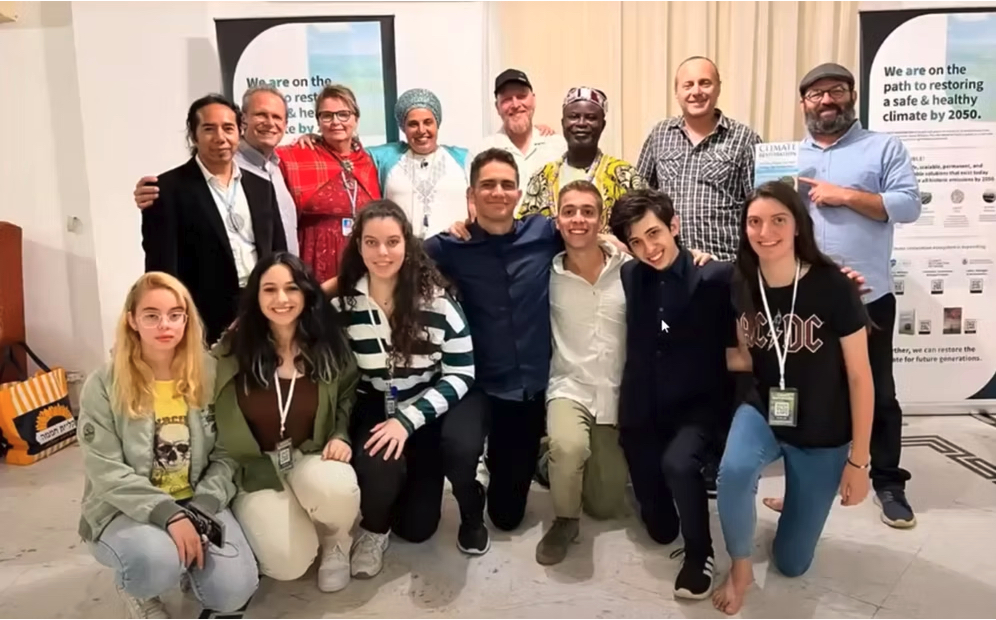
During COP27 in Sharm El-Sheikh, a unique space emerged as a hub for bold discussions and visionary thinking—the Climate Restoration Villa. Produced by the Climate Restoration Network (CRN), this villa hosted a series of intimate, high-impact gatherings that brought together scientists, policymakers, investors, and activists, all united by a shared goal: to move beyond mitigation and adaptation and focus on restoring a safe and healthy climate.
Key Messages and Discussions
The events at the villa centered around the urgent need for large-scale climate restoration efforts. While much of the global conversation at COP27 revolved around reducing emissions and adapting to climate change, the villa provided a space to ask a different question: How do we return our planet to the climate conditions that have sustained human civilization for millennia?
Highlighted Events
-
Beyond Net Zero: The Path to Climate Restoration
A panel of leading scientists and innovators discussed breakthrough solutions capable of removing carbon from the atmosphere at the scale necessary to restore pre-industrial climate conditions. The conversation emphasized the need to move beyond carbon neutrality and set clear, measurable climate restoration goals. -
Financing Climate Restoration
Experts from the investment and philanthropy sectors explored innovative funding mechanisms for large-scale restoration projects. The discussion covered emerging financial instruments, the role of carbon and plastic credits, and the potential for global climate restoration funds. -
Restoring Ocean Ecosystems to Capture Carbon
With a focus on ocean-based solutions, this session highlighted methods such as ocean iron fertilization and seaweed restoration. Scientists and environmental leaders debated how to responsibly implement these solutions while ensuring ecosystem health. -
Indigenous Knowledge and Climate Restoration
Indigenous leaders shared traditional ecological practices that align with modern restoration efforts. The discussion underscored the importance of integrating indigenous wisdom into global climate strategies. -
Empowering Youth to Lead Climate Restoration
Recognizing the crucial role of young leaders, this session provided a platform for youth activists to engage in the climate restoration movement and advocate for policies that support large-scale action.
Press Releases from COP27
Throughout COP27, CRN issued several press releases highlighting significant developments in climate restoration efforts:
-
November 3, 2022 – CRSGB Media Advisory
Announcing the launch of the Climate Restoration Safety & Governance Board (CRSGB), which aims to ensure the transparency, accountability, and ethical integrity of climate restoration projects. -
November 6, 2022 – Youth Leading the Way Media Advisory
Highlighting youth leadership in climate restoration and detailing events at the villa focused on empowering young changemakers. -
November 9, 2022 – CRSGB Official Launch
Officially introducing the CRSGB and its mission to oversee safe and effective climate restoration initiatives. -
November 28, 2022 – CRSGB Announces First Applicant for Certification
Marking a milestone as the board begins reviewing its first climate restoration project for certification. -
November 28, 2022 – The National News: “Net zero is nowhere near enough”
Emphasizing the need to move beyond net-zero emissions and focus on removing historical CO₂ emissions to restore a safe climate.
A New Era for Climate Action
The Climate Restoration Villa at COP27 was more than just a venue; it was a catalyst for a new era in climate action. It challenged conventional narratives, fostered collaboration across disciplines, and reinforced the message that restoring our climate is not only possible but necessary.
For more information and access to related press releases, visit the Climate Restoration Network COP27 page.